Powdered milk has been part of everyday kitchens for decades. It is used in homes, bakeries, food factories, and even hospitals. Still, many people do not fully understand why it continues to be trusted across so many industries. When you look closely at how powdered milk works, its value becomes clear.
This guide explains powdered milk benefits in a practical way. It covers nutrition, storage, taste, digestion, cooking, safety, and daily use, all in one place, using simple and clear language.
What powdered milk is and why people use it
Powdered milk is made by drying fresh milk using controlled heat. This removes moisture while keeping protein, calcium, and milk solids. Without water, bacteria cannot grow easily, which is why powdered milk stays usable for months.
People choose powdered milk because it is reliable. It works when fresh milk is not available, when fridge space is limited, or when consistent quality is needed for cooking and baking.
Why powdered milk lasts longer than fresh milk
Fresh milk spoils quickly because bacteria grow in water. Powdered milk has very little moisture, so bacteria growth slows down.
As long as powdered milk is stored in a dry, cool place and sealed properly, it stays safe and usable for a long time. Once opened, keeping it dry and tightly closed helps protect its quality.
This long shelf life is one of the biggest powdered milk benefits for families and businesses.
Check Out Our Blog: Milk Powder vs Milk: What’s the Real Difference?
Is powdered milk nutritious compared to fresh milk
Powdered milk contains protein, calcium, phosphorus, and natural milk sugars in amounts close to fresh milk. Many milk powders also include added vitamin D and vitamin A to support bone health and immunity.
When mixed with the correct amount of water, powdered milk provides reliable nutrition per serving. This makes it suitable for daily use in tea, coffee, meals, and drinks.
How powdered milk supports bones and muscles
Calcium in powdered milk helps maintain strong bones at every age. Children need it for growth, adults for bone maintenance, and older people for bone strength.
Protein supports muscles and daily body functions. Powdered milk makes it easier to add protein throughout the day without heavy meals. It blends well into drinks and food without changing taste too much.
How to prepare powdered milk so it tastes better and digests well
Most taste complaints come from mixing it the wrong way. Powder clumps and grainy texture usually mean it was not dissolved properly.
A simple method works best:
-
Mix the powder with a small amount of warm water.
-
Stir until smooth.
-
Add cool water to reach the final amount.
-
Let it sit for a few minutes before drinking.
This improves texture, taste, and digestion.
Why powdered milk works so well in cooking and baking
Powdered milk adds dairy nutrition without adding extra liquid. This gives better control over texture.
Bakers use it for softer bread, better browning, and consistent results. In sauces and soups, it blends evenly and thickens gently. Home cooks often prefer powdered milk for recipes where liquid milk makes food too thin.
How powdered milk helps reduce waste and save space
Powdered milk takes up less storage space than liquid milk and does not need refrigeration before opening.
Since you prepare only what you need, leftover milk does not spoil. This helps reduce waste and saves money over time. These powdered milk benefits matter in both homes and food businesses.
Is powdered milk good for emergency storage and travel
Powdered milk works well during power outages, travel, or supply shortages. It only needs clean water to prepare.
Many households keep it as backup and end up using it daily because it is convenient. It supports nutrition without extra planning.
Does powdered milk taste different from fresh milk
Taste depends on preparation. Too much powder makes it heavy, and too little makes it weak. Cold water alone often leaves a grainy feel.
When mixed properly and allowed to rest, powdered milk tastes clean and balanced. It works well for drinking, cooking, and baking.
Why food businesses prefer powdered milk
Fresh milk quality changes due to season and handling. Powdered milk stays consistent.
This consistency helps bakeries, cafes, and manufacturers maintain the same taste and texture every time. Reliable results support customer trust.
Where powdered milk fits into everyday life
Powdered milk suits large families, small households, offices, hostels, and catering services. It works for tea, coffee, cooking, baking, and nutrition planning.
It is also useful where fridge space is limited or transport conditions vary. These practical uses explain its continued popularity.
How to choose good quality powdered milk
Good powdered milk dissolves easily, smells clean, and tastes smooth. Quality depends on source milk, processing standards, and packaging.
Choosing a trusted dairy brand helps maintain safety, nutrition, and performance in daily use.
Conclusion
Powdered milk is a choice people stick with when they want reliability without compromise. From everyday nutrition to consistent performance in kitchens and food businesses, it delivers exactly what is expected, every time.
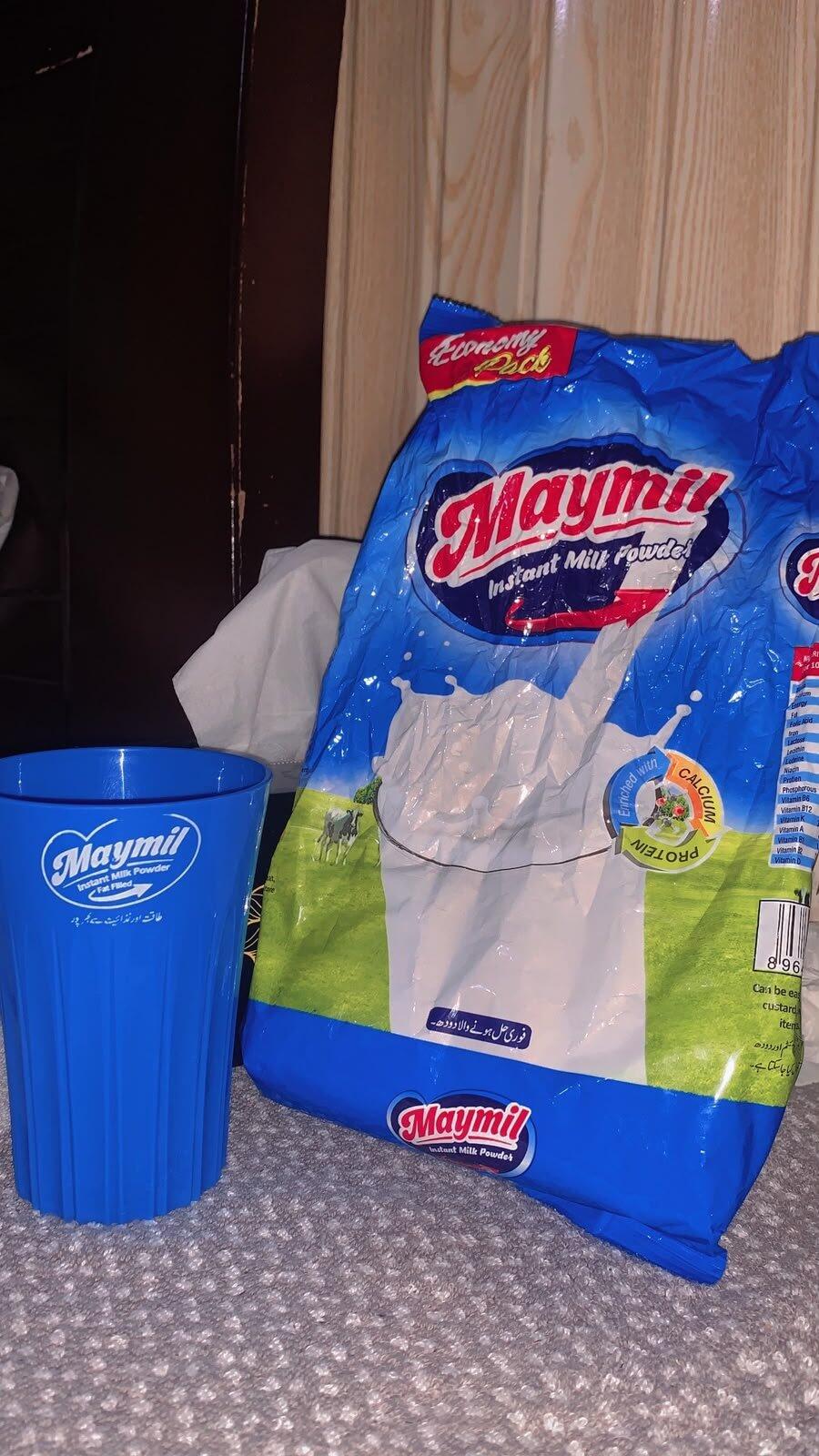
If quality, consistency, and trust matter to you, Maymil Dairy is ready to support your needs. Explore Maymil Dairy’s powdered milk range today and take the next step toward a dependable dairy supply you can count on.
FAQs
Is powdered milk safe for daily consumption?
Yes, powdered milk is safe for daily use when it is produced by a trusted dairy manufacturer and stored correctly. It meets food safety standards and provides the same core nutrients as liquid milk when prepared using clean water and the recommended mixing ratio.
Does powdered milk lose nutrients during processing?
Powdered milk retains most of its protein, calcium, and milk solids during drying. Some vitamins may reduce slightly due to heat, which is why many powdered milk products are fortified to restore nutritional balance.
Can powdered milk be used directly in recipes without mixing with water?
Yes, powdered milk can be added directly to dry recipes such as bread dough, cake mixes, and sauces. This method helps control moisture while still adding dairy flavor and nutrition.
How long does powdered milk last after opening?
Once opened, powdered milk can last several weeks to months if kept in an airtight container in a cool, dry place. Moisture exposure is the main factor that reduces shelf life, so keeping it dry is essential.
Is powdered milk suitable for children and older adults?
Powdered milk is suitable for all age groups unless restricted by medical advice. It provides calcium and protein needed for growth in children and bone support in older adults when prepared correctly.
Why does powdered milk sometimes taste different from fresh milk?
Taste differences usually come from mixing errors rather than the product itself. Incorrect powder-to-water ratio or poor dissolving can affect flavor. Proper mixing and resting time improve taste significantly.
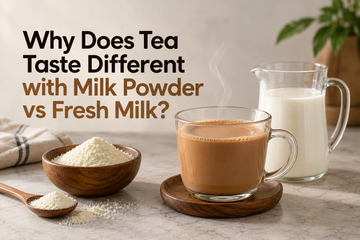
Can powdered milk be used in tea and coffee?
Powdered milk works well in tea and coffee when dissolved properly. Using warm liquid and stirring thoroughly helps it blend smoothly without clumps or grainy texture.