Quick Answer
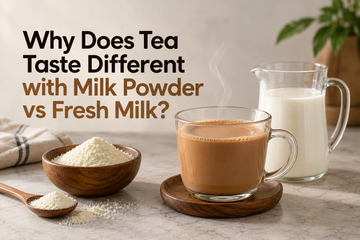
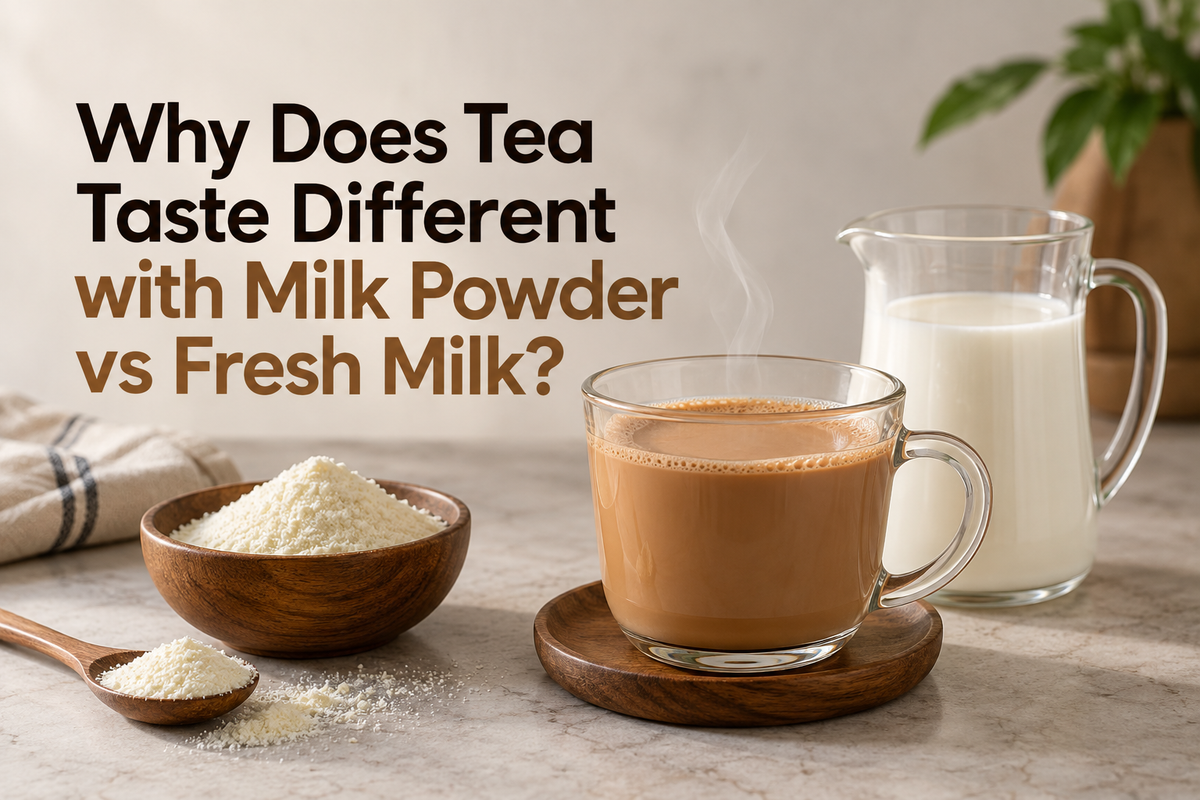
Tea tastes different with milk powder because of how the milk is processed before it becomes powder. This includes concentrating it, drying it, and storing it. These steps can create mild cooked, toasted, or slightly caramelized flavor notes. This is not a sign of poor quality. It is a normal result of how milk powder is made.
Introduction
Milk powder can taste different in tea. This is a real, explainable result of how it is made.
The difference does not come from one single cause. It comes from several steps in processing, including heat treatment, drying, and storage.
This article explains what actually causes the taste difference, using simple, accurate terms.
Why Does Milk Powder Taste Slightly Different in Tea?
Milk powder can taste slightly cooked, toasted, or caramelized because of how it is processed. This includes heating, concentrating, and drying the milk.
Both fresh milk and milk powder go through heat treatment. Fresh milk is pasteurized or UHT-treated before it reaches you. So heat alone is not the real difference.
The real difference is how much heat is used, and for how long, especially during the drying step. Milk powder also spends time in a low-moisture, dry state, which fresh milk never experiences.
These extra steps can create mild flavor changes. Some of this comes from a reaction between milk sugar and protein, called the Maillard reaction. Some of it comes from fat slowly changing over time, called oxidation. The exact mix depends on the specific powder and how it was made and stored.
Does Milk Powder Change the Texture of Tea?
Yes, milk powder can feel thinner, heavier, or slightly grainy in tea. This usually depends on how well it dissolves.
Fresh milk is already smooth and evenly mixed. Milk powder needs to fully dissolve in liquid first.
For best results, mix milk powder into warm water, not boiling water. A range of about 40-50°C works well for most dairy powders. Stir until it is fully dissolved before adding it to tea.
The amount of powder you use also affects texture. Different products call for different ratios of powder to water. Always check the ratio on your specific product's packaging, since this varies by brand.
Why Does Milk Powder React Differently with Strong Tea?
Milk proteins can reduce the bitter, dry taste in tea. This happens because milk protein binds with natural compounds in tea called tannins.
This effect happens with both fresh milk and milk powder. How strong the effect feels can depend on the tea type, how long it's brewed, and how much milk you use.
Curdling in tea is mainly caused by acid, not heat. Lemon or very acidic ingredients lower the pH of the drink, which can break down milk proteins and cause curdling. Very hot tea can make this separation more visible, but heat alone does not usually curdle sound milk.
Which One Tastes Better for Chai or Karak Tea?
Strong, boiled, and spiced teas like karak or doodh patti often hide small flavor differences well. The tea itself already has bold, cooked flavors from long boiling, sugar, and spices.
Lighter teas, like green tea or a quick cup of black tea, can show the difference more clearly, since there's less going on to mask it.
This is a general pattern based on taste, not a fixed scientific rule. Some people notice a difference in any tea. Others don't notice it at all, even in light tea.
FAQs
Why does tea taste different with milk powder?
It comes from how milk powder is processed, including heat treatment, drying, and storage. These steps can create mild cooked or toasted flavor notes.
Does milk powder ruin the taste of tea?
No. It creates a different flavor, not a worse one. Many people don't notice a difference, especially in strong, boiled tea.
Why does my tea taste grainy with milk powder?
This usually means the powder didn't fully dissolve. Mix it into warm water first, and stir well before adding it to tea.
Does using more milk powder make tea taste better?
Not always. More powder makes tea richer, but too much can make it taste heavy, overly rich, or grainy if it doesn't fully dissolve.
The Bottom Line
Tea tastes different with milk powder because of how it's processed, not because it's lower quality. Heat, drying, and storage all play a role, and the exact flavor depends on the specific product. Texture problems usually come down to mixing, and curdling risk comes mainly from acid, not the powder itself. For strong, everyday chai, many people notice little difference at all.
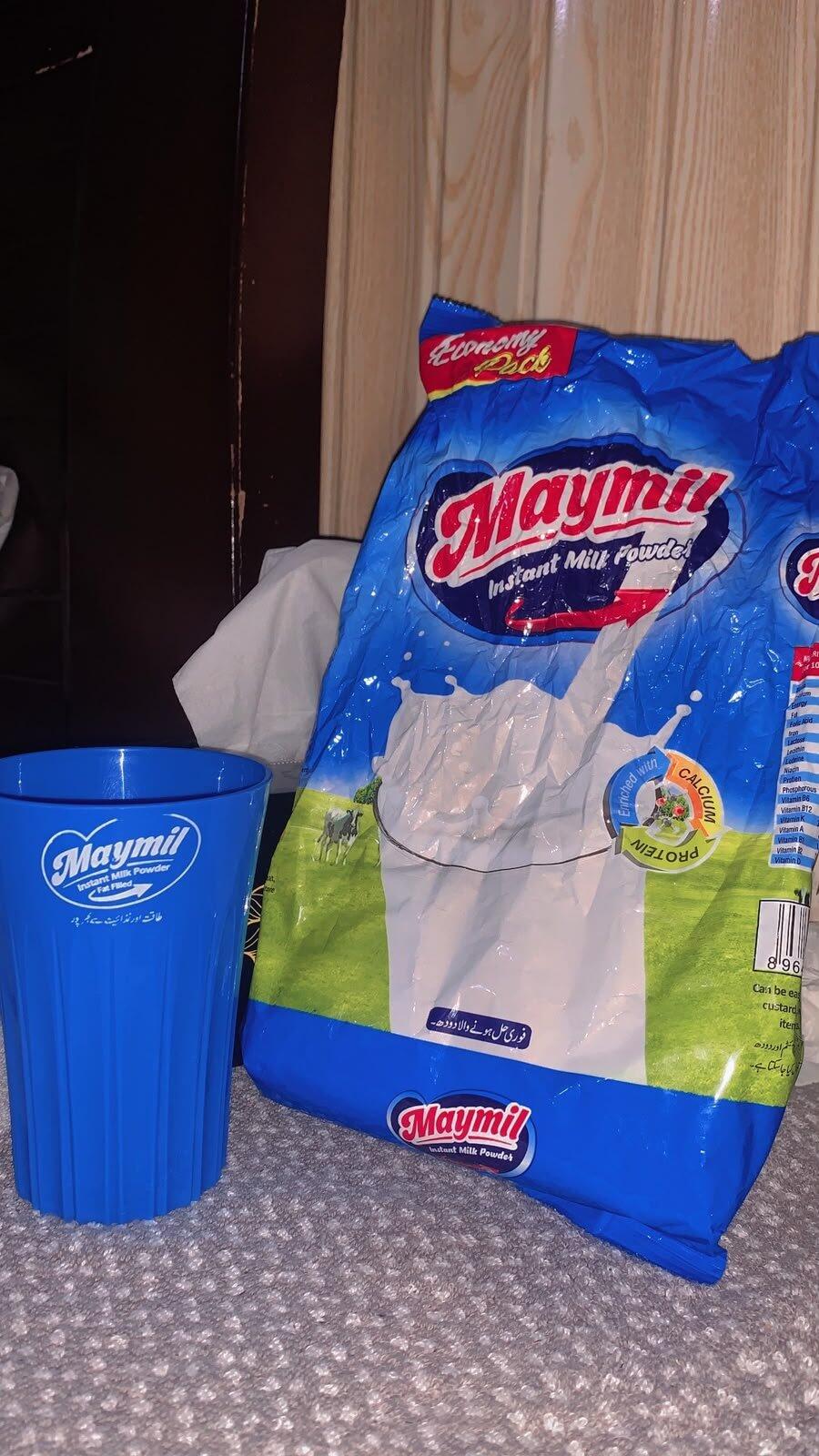
If you want to try it for yourself, Maymil Full Cream Milk Powder is one option worth trying in your next cup of karak or doodh patti. Brew it your usual way and judge the taste for yourself.