Quick Answer
Use full cream milk powder when you want richer flavor, better browning, and a longer shelf life, especially in baked goods. Use liquid milk when the recipe needs milk as its main liquid, like pancakes or fresh chai. The two aren't always interchangeable, so check your recipe's water content before you swap.
What's the Real Difference Between Milk Powder and Liquid Milk?
Liquid milk is mostly water. About 87% of liquid milk is water. The rest is fat, protein, and milk sugar (lactose).
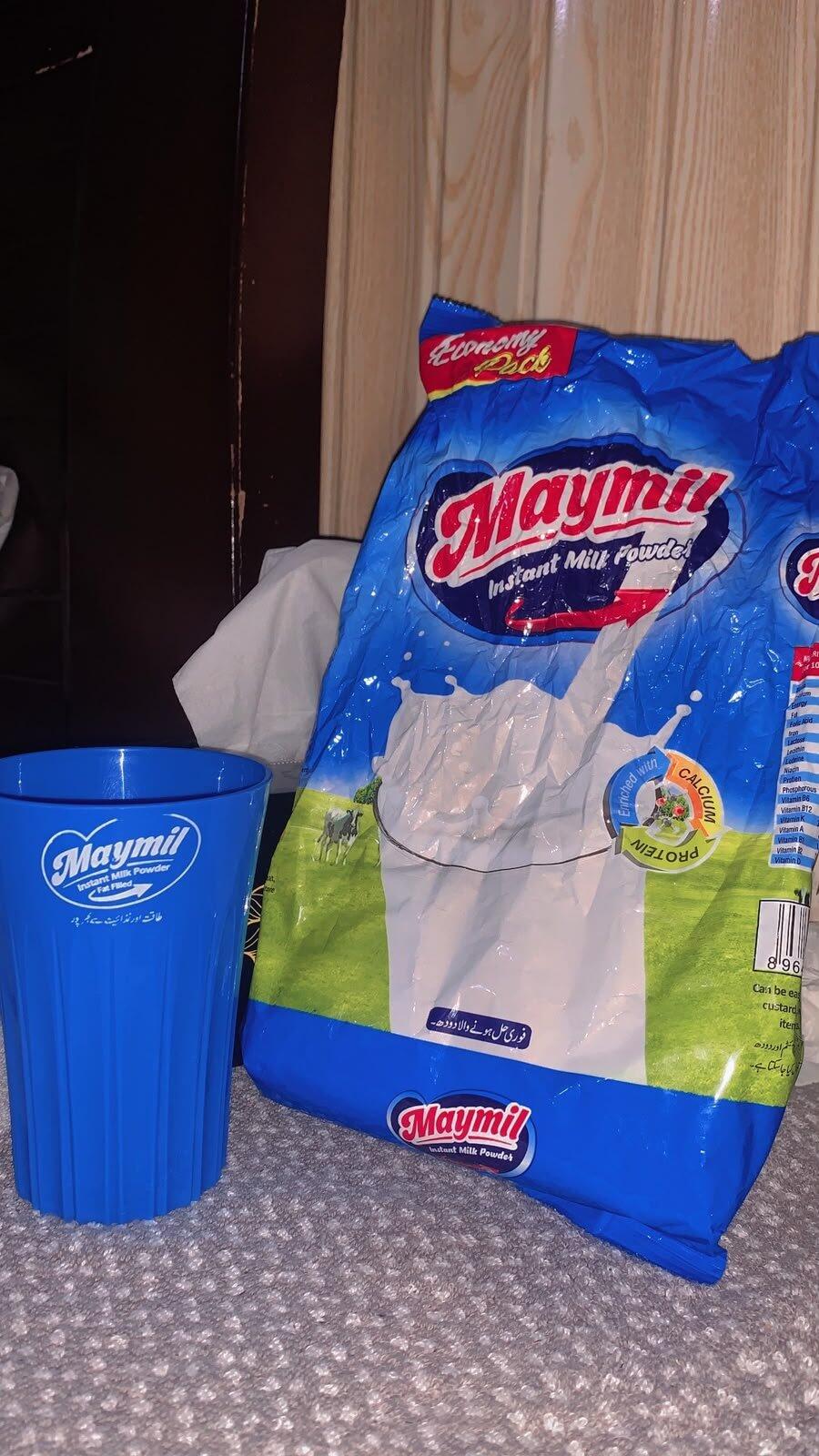
Full cream milk powder is milk with the water removed. Manufacturers dry milk using heat or vacuum evaporation. What's left is concentrated milk solids and fat.
This one difference explains almost everything else in this guide. Milk powder gives you dairy richness without adding extra liquid. Fresh milk gives you dairy richness with extra liquid.
When Should You Use Full Cream Milk Powder?
Use full cream milk powder when a recipe needs richness, structure, or shelf stability without extra water.
Does milk powder make baked goods taste better?
Yes. Milk powder adds flavor and improves texture in bread, cookies, and cakes. It helps create tender flatbreads, chewy cookies, and taller, more even bread loaves. Many professional bakers treat it as a go-to ingredient for boosting flavor in both baked goods and ice cream.
Does milk powder help baked goods brown better?
Yes. The lactose in milk powder is concentrated, which speeds up browning. This gives bread and cookies a deeper, golden crust.
Is milk powder better for recipes with exact water ratios?
Yes. In bread and pastry, hydration (the ratio of liquid to flour) controls texture. Milk powder adds dairy richness without changing that ratio. This gives bakers more control over the final result.
Does milk powder last longer than liquid milk?
Yes, by a wide margin. Liquid milk spoils within days. Milk powder, especially in nitrogen-flushed packaging, can hold its flavor for up to a year. Nitrogen flushing prevents off-flavors from developing in whole milk powder, even at room temperature. Without nitrogen flushing, the typical shelf life for whole milk powder is only 6 to 9 months.
Is milk powder better for bulk or commercial baking?
Yes. Fresh milk fat content can vary between batches, which affects browning and rise. Milk powder gives bakers a consistent product every time. It's also always ready to use, with no risk of spoiling mid-batch. This matters most for bakeries, hotels, and food manufacturers running large volumes.
Can milk powder boost richness in desserts?
Yes. Milk powder adds body and creaminess to ice cream, custards, khoya-based sweets, and halwa, without thinning the mixture the way liquid milk would.
When Should You Use Liquid Milk Instead?
Use liquid milk when milk itself is the main liquid in the recipe.
Should you use liquid milk in pancakes or batters?
Yes. In pancakes, batters, and drinks like chai, milk is the liquid. Reconstituting powder first adds an unnecessary step.
Does fresh milk taste better than reconstituted milk powder?
Many people think so. Fresh milk often has a lighter, cleaner dairy flavor. Reconstituted milk powder can taste slightly different, though it still works well in most recipes.
When should you be careful about substituting?
Be careful with very delicate or precise recipes, like laminated pastry or certain custards, where even small hydration changes affect the result.
How Do You Substitute One for the Other?
Follow this simple ratio:
-
For every ¼ cup of milk powder, use 1 cup of liquid milk.
-
Remove 1 cup of liquid (water or another liquid) from the rest of the recipe.
-
If the recipe has no other liquid listed, don't add milk on top. Add it only if you also reduce another wet ingredient, or the batter will turn out too thin.
-
Whole, reduced-fat, or nonfat milk can all replace milk powder. Higher fat milk makes a richer, creamier result.
-
For recipes calling for buttermilk powder, use liquid buttermilk instead of regular milk. Its acidity affects texture and flavor differently.
Section summary: The core rule is simple: add milk, then subtract the same amount of liquid somewhere else in the recipe.
What Mistakes Should You Avoid?
-
Adding liquid milk without removing other liquids. This makes batter or dough too wet, leading to gummy or soggy results.
-
Using skim milk powder when a recipe expects full cream richness. Skim powder lacks the fat that gives baked goods their tender crumb.
-
Assuming all milk powders are the same. Full cream, skimmed, and instant milk powders behave differently in recipes.
-
Adding milk powder to a recipe with no liquid at all. Without water to reconstitute it, the powder can't do its job properly.
Quick Decision Checklist
Reach for full cream milk powder if you need:
-
Long shelf life
-
Richer flavor and better browning
-
Precise control over hydration
-
Consistent results across large batches
Reach for liquid milk if:
-
Milk is the main liquid in the recipe
-
You want the fastest prep with no extra steps
-
Fresh dairy flavor matters most to you
FAQs
Can I use liquid milk instead of milk powder in any recipe?
Only if the recipe also lists water or another liquid you can reduce. If not, adding milk on top can make the batter too wet.
How much liquid milk equals ¼ cup of milk powder?
About 1 cup of liquid milk replaces ¼ cup of milk powder. Remove 1 cup of liquid elsewhere in the recipe to balance it.
Why do bakers prefer milk powder over fresh milk?
Milk powder gives consistent fat and protein levels, better browning, and no risk of spoiling mid-batch, which matters most in bulk baking.
Is full cream milk powder better than skim milk powder for baking?
For richness and tender texture, yes. Full cream milk powder has more fat, which improves crumb and mouthfeel in baked goods.
Can I use milk powder in ice cream?
Yes. Milk powder adds body and creaminess to ice cream without thinning the base, which many pastry chefs rely on for a silkier texture.