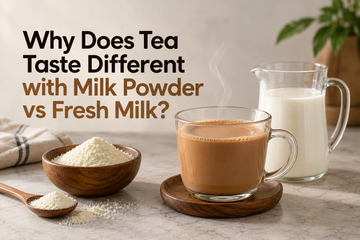
Ever noticed your tea tastes different when using milk powder vs tea whitener? The choice affects not only flavor but also nutrition, cost, and ease of use. Milk powder is made from real milk and provides natural nutrients like protein and calcium. On the other hand, tea whitener is a processed alternative designed for creaminess and longer shelf life, often containing added fats and stabilizers.
In this article, we explore the composition, nutrition, benefits, side effects, and uses of both tea whitener and milk powder. This guide helps you understand how each option impacts taste, health, and convenience, making it easier to choose the right one for your tea.
What is Milk Powder?
Milk powder is dehydrated milk that retains its nutrition and flavor, making it a convenient alternative to fresh milk. It is made by removing water from liquid milk, which helps in longer shelf life and easy storage without refrigeration. Milk powder comes in different types, with full cream milk powder being rich in fat and creaminess, while whole milk powder has a balanced fat content, offering a lighter taste but still preserving essential nutrients like protein and calcium.
Milk powder is versatile and widely used in everyday life. It is popular as milk powder for coffee and the best milk powder for tea, adding a creamy texture and natural flavor. It is commonly used in baking, desserts, and cooking, enhancing richness and nutrition in recipes. Whether for a morning cup of coffee, creamy tea, or homemade cakes, milk powder remains a convenient and nutritious choice.
Milk Powder Composition and Ingredients
Milk powder ingredients are simple and natural, primarily made from dehydrated cow’s milk. Its milk powder composition includes essential nutrients such as protein, calcium, fats, and vitamins that are preserved during the drying process.
The milk powder nutritional value makes it a healthy choice for everyday use. Each 100g of milk powder provides around 25–27g of protein, essential for muscle and bone health. It is also rich in calcium, supporting strong bones and teeth, and contains important vitamins A, D, and B complex. The fats in full cream milk powder add creaminess and energy, while whole milk powder offers a balanced fat content.
On average, milk powder calories are about 500–520 kcal per 100g, making it a dense and nutritious ingredient for beverages, cooking, and baking.
What is Tea Whitener?
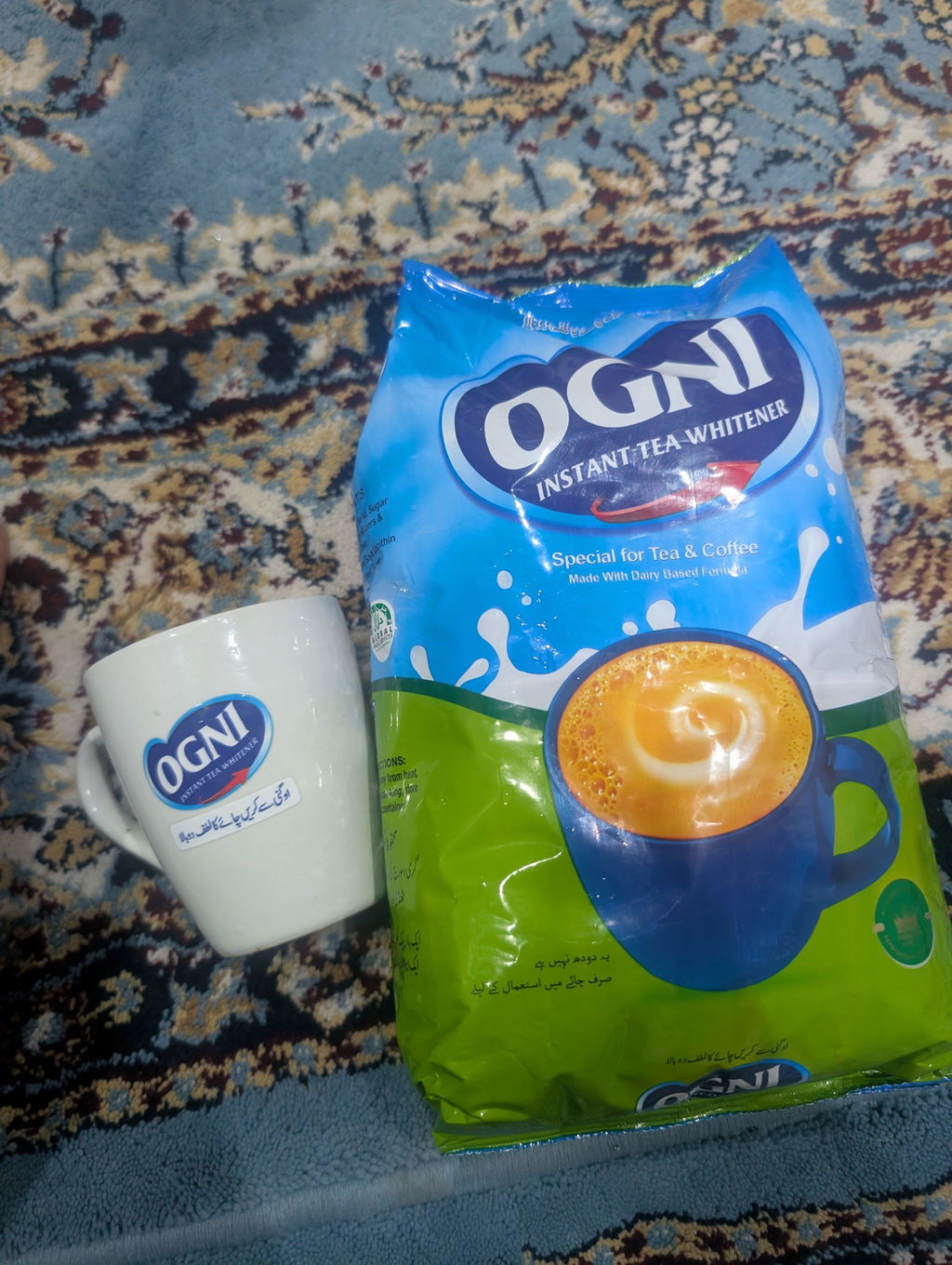
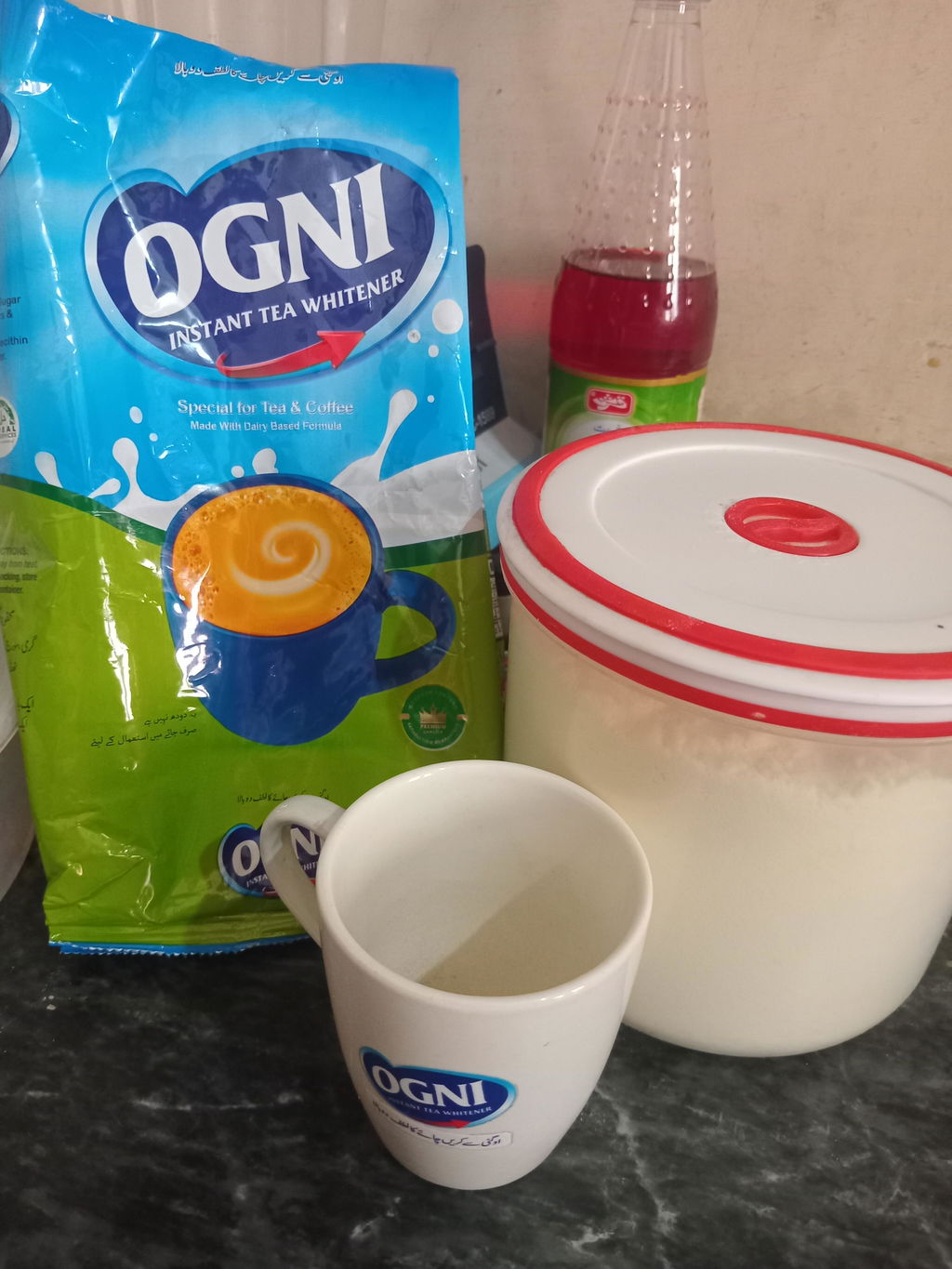
Tea whitener is a dairy-based product made to add creaminess and color to tea and other hot beverages. Unlike milk powder, which is made from dehydrated milk, tea whitener is often processed with added vegetable fats and stabilizers to enhance texture and shelf life. Its tea whitener composition is specifically designed to blend easily in hot drinks without separating.
The tea whitener ingredients typically include milk solids, vegetable oils, and emulsifiers, making it lighter and more stable than regular milk powder. While it does not provide the same nutritional benefits as milk powder, it is popular for its convenience and ability to give a smooth, creamy taste in tea and instant beverages.
Tea whitener is perfect for those who prefer a consistent, quick, and creamy texture in every cup.
Tea Whitener Ingredients and Composition
The main tea whitener ingredients include milk solids, vegetable fats, and stabilizers, which are blended to create a smooth and creamy texture. Unlike milk powder, which is made entirely from dehydrated milk and retains natural protein, calcium, and vitamins, tea whitener is designed for convenience and consistency in hot beverages.
The tea whitener composition makes it lighter and creamier than milk powder, but it provides fewer nutrients. These differences affect the taste, texture, and creaminess of tea, giving a uniform, rich color and smooth mouthfeel that dissolves easily without curdling.
Tea whitener And Milk Powder Benefits
Milk Powder Benefits
Milk powder is highly nutritious due to its rich nutritional content. It is rich in protein, which supports muscle growth and repair, and calcium, essential for strong bones and teeth. The milk powder nutritional value also includes vitamins like A, D, and B12, which contribute to overall health, immunity, and energy metabolism. Regular use of milk powder can help maintain bone health, improve muscle function, and support the immune system.
Additional Benefits:
-
Helps in healthy weight management due to protein content.
-
Provides energy and essential nutrients for children and adults alike.
-
Easy to store and use in beverages, cooking, and baking.
Tea Whitener Benefits
Tea whitener is primarily designed for taste and convenience. It adds a creamy texture and smooth consistency to tea and instant beverages. While it contains fats and carbohydrates that provide energy, it is nutritionally limited compared to milk powder. Some fortified tea whiteners may include small amounts of vitamins or minerals, but overall, it does not match the protein or calcium content of milk powder.
Which is Nutritionally Superior?
In terms of health benefits, milk powder is considered nutritionally superior due to its higher protein, calcium, and vitamin content. Tea whitener is best for taste and convenience, but for long-term nutrition and bone health, milk powder is the healthier choice.
Side Effects of Milk Powder and Tea Whitener
-
Milk Powder Side Effects: May cause lactose intolerance symptoms like bloating or gas in sensitive individuals. Some people can have allergic reactions to milk proteins. Overuse can also add extra calories and fat.
-
Tea Whitener Side Effects: Often contains artificial additives and emulsifiers that may be hard to digest. Hydrogenated vegetable fats in some brands can contribute to higher cholesterol and heart-related risks if consumed excessively.
-
Health Advice: Use milk powder for better nutrition but in moderation. For tea whitener, limit daily use and choose products with minimal additives when possible
Taste, Texture, and Usage Comparison
When it comes to tea whitener vs milk powder, the differences in taste and texture are noticeable. Milk powder provides a natural, creamy flavor and rich texture, making it the best milk powder for tea and a great choice for milk powder for coffee. It blends smoothly, giving a consistent taste without altering the natural flavor of beverages.
Tea whitener, on the other hand, is designed for convenience and quick use. It dissolves fast, adds a uniform creaminess, and creates a lighter, smoother texture, but it lacks the natural taste and nutritional value of milk powder.
For daily use, those who prioritize flavor, nutrition, and authenticity may enjoy using milk powder, while tea whitener works well for quick, consistent results. Considering convenience, creaminess, and taste, milk powder often comes out on top for tea and coffee lovers.
Conclusion
Choosing between tea whitener vs milk powder depends on what matters most to you, such as taste, nutrition, or convenience. Milk powder from Maymil Dairy delivers natural creaminess, rich flavor, and essential nutrients like protein and calcium, making it the perfect choice for tea, coffee, baking, and everyday cooking. For those who value quick, smooth, and consistent results, Maymil Dairy’s tea whitener offers a creamy, easy-to-use option without compromising on taste.
Whether you want the best milk powder for tea, milk powder for coffee, or a reliable tea whitener, Maymil Dairy has you covered with high-quality, safe, and delicious products. Elevate your beverages and recipes today. Choose Maymil Dairy and enjoy the perfect blend of taste, nutrition, and convenience in every cup.
FAQs
What is the difference between tea whitener and milk powder?
The main difference between tea whitener vs milk powder is their composition. Milk powder is made from dehydrated milk and retains natural nutrients like protein and calcium. Tea whitener is a processed product that may contain vegetable fats and stabilizers, designed mainly for creaminess and convenience in tea.
Is milk powder healthier than tea whitener?
Yes, milk powder is generally healthier because it contains higher protein, calcium, and essential vitamins. Tea whitener provides creaminess but offers fewer nutrients compared to the natural nutritional value of milk powder.
Which is the best milk powder for tea?
The best milk powder for tea is full cream milk powder, as it provides a rich, creamy taste and blends smoothly without changing the natural flavor of tea.
Can I use milk powder for coffee?
Yes, milk powder for coffee works very well. It dissolves easily in hot beverages and adds natural creaminess and flavor.
Does tea whitener contain real milk?
Tea whitener usually contains milk solids, but it may also include vegetable fats and emulsifiers. It is not the same as pure milk powder.
Which dissolves better in tea, milk powder or tea whitener?
Tea whitener dissolves slightly faster due to its processed composition. However, milk powder also blends well when mixed properly in hot tea.