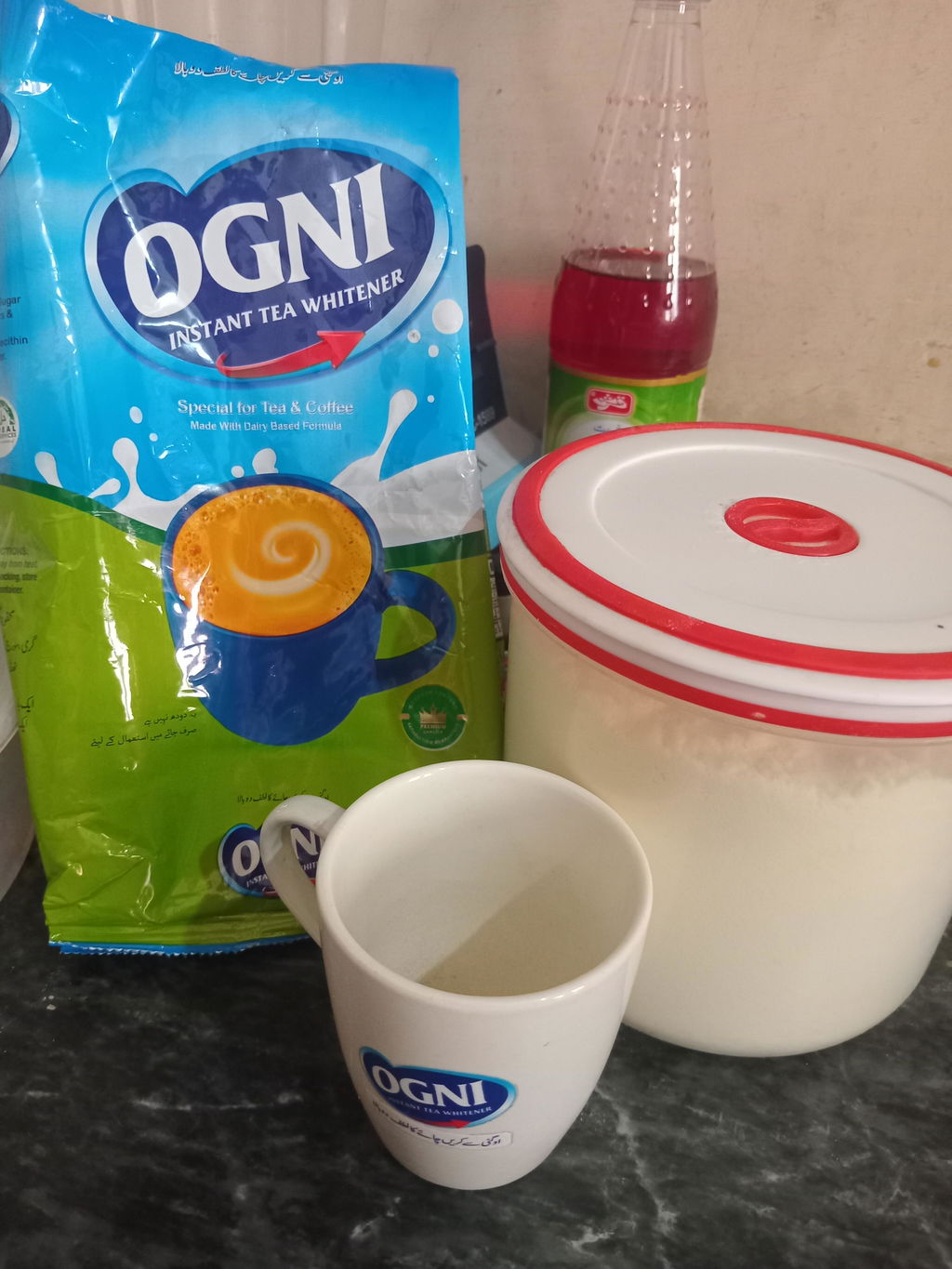
Milk powder is simply milk with the water removed so it can be stored longer and used when needed. At home, it is used to make tea, coffee, cooked dishes, baked foods, desserts, and even daily nutrition drinks. Because it is concentrated, you control how light or rich the milk turns out.
This guide explains milk powder uses in a clear, everyday way. It answers how to use it, when it works best, and how to get smooth results in normal home cooking without overthinking anything.
What Are the Most Common Milk Powder Uses at Home
Milk powder is most often used for making milk for tea, coffee, and daily drinks. Beyond that, it is widely used in cooking, baking, desserts, and family meals.
In many homes, milk powder is added to gravies, soups, rice dishes, dough, cakes, and sweets. It is also mixed into porridge, oats, and smoothies for added nutrition. Since it lasts longer than fresh milk, it is kept as a regular kitchen item rather than an emergency backup.
How Do You Make Milk from Milk Powder Without Lumps
Milk powder mixes best when warm water is used first.
Add the milk powder to a small amount of warm water and stir until it fully dissolves. Once smooth, add more water to reach the thickness you want. This method works for tea, coffee, cooking, and desserts.
For cold milk or shakes, dissolve the powder in warm water first, then cool it. This keeps the texture smooth and even.
How Is Milk Powder Used in Tea and Coffee
Milk powder works well in tea and coffee because it blends evenly and gives a consistent taste every time. The strength can be adjusted easily, which helps when different people prefer different milk levels.
Many people use milk powder daily for chai, instant coffee, and milk-based drinks because it does not spoil quickly and gives predictable results when prepared correctly.
Can Milk Powder Be Used in Cooking Daily Meals
Yes, milk powder is commonly used in everyday cooking. It adds light creaminess without making dishes watery.
In gravies, soups, and sauces, a small amount thickens the dish and smooths the texture. In vegetable dishes and lentils, it adds softness without changing the main flavor. Milk powder is also added to rice while cooking to make it softer and slightly richer.
When mixed into roti, paratha, naan, or bread dough, milk powder helps the dough stay soft and the cooked bread remain tender for longer.
How Does Milk Powder Help in Baking at Home
Milk powder is widely used in home baking because it improves texture and moisture control. In cakes and cookies, it supports even browning and helps them stay soft after baking.
In bread baking, milk powder strengthens the dough and improves crumb softness. It is often used in sandwich bread, buns, pizza bases, pancakes, and waffles. Mixing milk powder with flour before adding liquids gives better distribution and smoother results.
Is Milk Powder Good for Sweets and Desserts
Milk powder is a common ingredient in homemade sweets because it saves time and gives stable results.
It is used in barfi, peda, and milk fudge, where thickness and milk flavor matter. In desserts like custard, pudding, and kheer, milk powder improves creaminess and reduces long cooking. In homemade ice cream, it helps improve texture and reduces ice crystals.
Can Milk Powder Be Used for Kids and Elderly Nutrition
Milk powder is easy to digest and simple to add to meals, which makes it suitable for all age groups.
It can be mixed into porridge, oats, cereal, soups, smoothies, and soft foods. This adds protein and calcium without changing taste much. Because it can be prepared in small portions, it helps manage daily intake without waste.
Why Do Many Homes Prefer Milk Powder for Storage
Milk powder has a long shelf life and does not need refrigeration until mixed. This makes it useful for daily use, travel, and situations where fresh milk is not always available.
Only the required amount is prepared, which helps reduce food waste. Storing milk powder in a dry, airtight container keeps it fresh and easy to use.
How Is Milk Powder Different from Liquid Milk in Daily Use
Milk powder gives more control in daily cooking. You decide how thick or light the milk should be. It stores easily, lasts longer, and works well in both cooking and baking.
Liquid milk is convenient when fresh supply is steady. Milk powder works better when flexibility, storage life, and portion control matter.
What Should You Look for When Buying Milk Powder
Good milk powder dissolves easily, smells fresh, and blends smoothly in drinks and food. It should not feel grainy or leave residue.
Choosing a trusted dairy brand matters, especially when milk powder is used daily for family meals, baking, and nutrition.
Conclusion
Milk powder earns its place in the kitchen when it makes daily cooking simpler and more reliable. From morning tea to family meals, baking, and desserts, knowing how to use it properly saves time and gives better results every day.
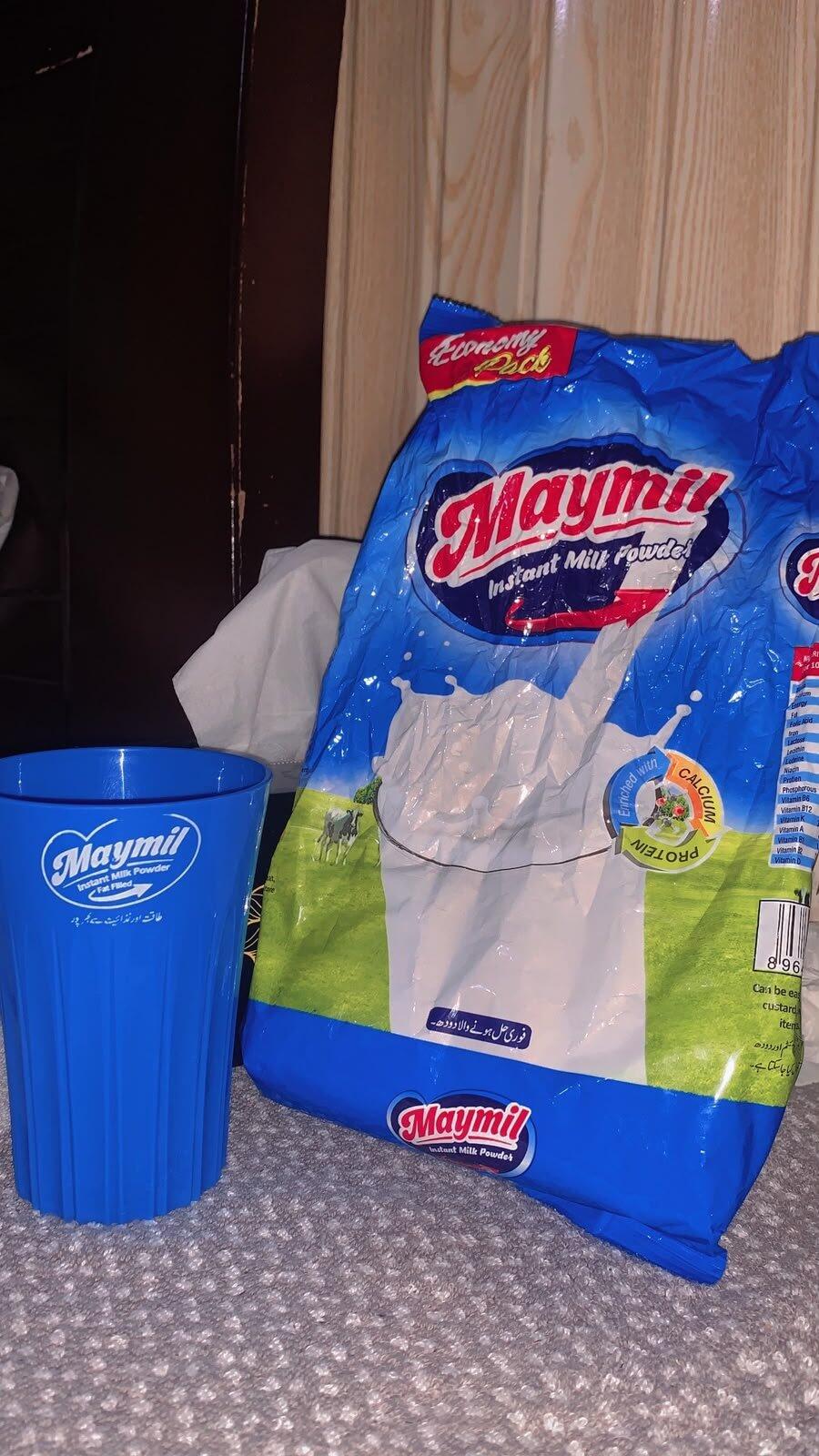
If you want milk powder that dissolves well, tastes clean, and works smoothly in real home cooking, Maymil Dairy’s milk powder is made for that kind of everyday use. Keep it in your kitchen, use it with confidence, and enjoy the ease it brings to your daily meals.
FAQs
Can milk powder fully replace fresh milk in daily cooking?
Milk powder can replace fresh milk in most home recipes, including tea, coffee, gravies, baking, and desserts. When mixed correctly with water, it performs the same function while offering better control over thickness and quantity. Many households use it daily without noticing a difference in taste or texture.
Does milk powder change the taste of food?
Milk powder does not change the taste of food when used in the right amount. It adds a mild dairy richness similar to fresh milk. Strong flavors usually come from adding too much powder or not dissolving it properly before use.
Is milk powder safe to use every day?
Milk powder is safe for daily use when consumed within recommended amounts. It provides protein, calcium, and essential nutrients similar to regular milk. It is commonly used in daily meals, drinks, and baking in households worldwide.
Why does milk powder sometimes feel grainy after mixing?
Grainy texture usually happens when milk powder is mixed with cold water directly. Dissolving it in warm water first allows the powder to hydrate fully, which results in smooth milk suitable for drinking and cooking.
Can milk powder be used in savory dishes?
Milk powder works well in savory dishes like soups, curries, lentils, and sauces. It improves thickness and mouthfeel without adding excess liquid. Many cooks use it to balance spice-heavy dishes and soften textures.