Ever made tea at home, taken the first sip, and wondered why it doesn't taste as rich as the one from your favorite café? The tea leaves might be the same, the sugar might be right, yet something still feels missing. In many cases, the answer is surprisingly simple. It comes down to the tea whitener.
What Is Tea Whitener?
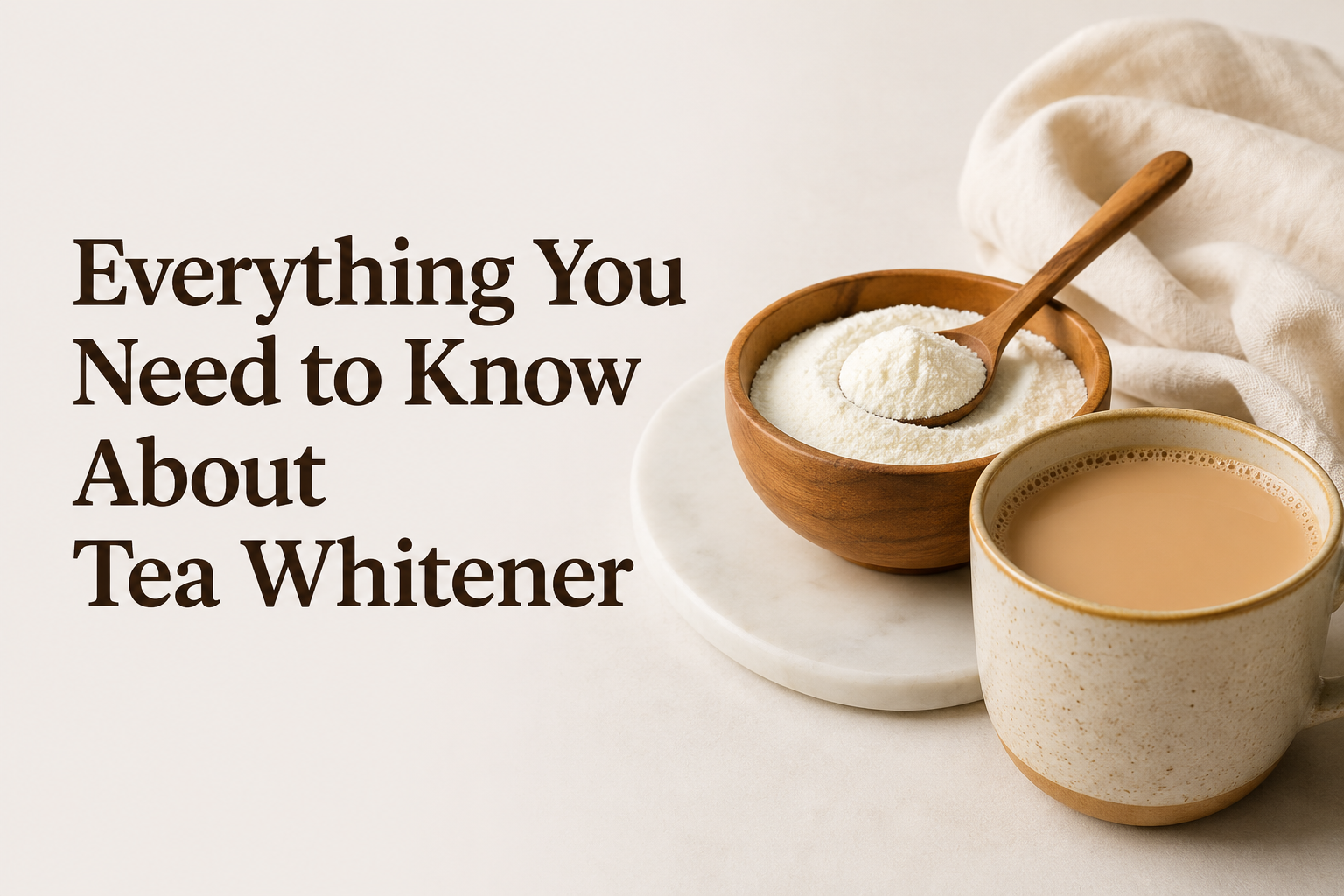
Tea whitener is a dairy-based product made specially for tea. It mixes quickly into hot tea and gives it a creamy texture, rich color, and smooth finish.
Fresh milk can work well too, but its taste and richness can change from one pack to another. Tea whitener is made to give you the same result every time. That's one reason it is widely used in homes, cafés, restaurants, and offices where every cup needs to taste just as good as the last one.
If you've noticed that café tea usually has a richer color, tea whitener is often one of the reasons.
How Is Tea Whitener Made?
Tea whitener starts with milk solids and other dairy ingredients. These are blended and processed into a fine powder that dissolves quickly in hot tea.
The fine texture is no accident. During production, the powder is made to spread evenly through the tea instead of floating on top or settling at the bottom. This gives every sip the same creamy taste.
Different brands use different recipes, so one tea whitener may taste richer or creamier than another.
How Does Tea Whitener Change the Taste of Tea?
Tea naturally contains compounds called tannins. They give tea its bold taste and the slight bitterness that makes black tea unique.
Tea whitener softens that sharp edge without hiding the flavor of the tea itself. The result is a smoother cup that still tastes like tea, only creamier and more balanced.
Getting the amount right also makes a difference.
-
Too little tea whitener can leave the tea tasting thin.
-
Too much can make the tea feel overly rich.
-
A balanced amount creates the smooth texture and color that many people look for.
This is exactly why tea shops measure their ingredients instead of adding them by guesswork.
What Is the Difference Between Tea Whitener and Milk Powder?
This is one of the biggest questions people ask, and the answer is quite simple.
|
Feature |
Tea Whitener |
Milk Powder |
|
Main use |
Tea |
Drinking, baking, cooking |
|
Texture in tea |
Rich and creamy |
Similar to fresh milk |
|
Mixing |
Quick and smooth |
Slightly slower |
|
Best choice |
Daily tea |
Recipes and desserts |
Milk powder is simply dried milk. Tea whitener is prepared specifically for tea.
If you're making tea every day, tea whitener usually gives a richer cup. Milk powder is a better option for baking, desserts, and recipes that need milk.
Many households keep both because they serve different purposes.
Can You Use Tea Whitener in Coffee?
Yes, and plenty of people do.
Tea whitener works well in coffee, hot chocolate, milk tea, chai latte, and similar hot drinks. It blends quickly and gives drinks a creamy finish.
It can also be used in some homemade desserts. If a recipe specifically asks for milk powder, it's usually better to stick with milk powder because recipes are often developed using that ingredient.
Does Tea Whitener Expire?
Like any dairy product, tea whitener has an expiry date.
Storage also affects how long it stays fresh after opening. Heat and moisture can reduce its quality even before the expiry date arrives.
It's time to replace the pack if you notice:
-
An unusual smell
-
A change in color
-
Hard lumps that don't break apart
-
Powder that no longer mixes properly
A quick look at the expiry date before buying can save you from wasting a whole pack later.
How Should You Store Tea Whitener?
Good storage helps keep the flavor and texture the way they should be.
A few simple habits make a big difference.
-
Keep the pack in a cool, dry place.
-
Keep it away from direct sunlight.
-
Close the pack tightly after each use.
-
Always use a clean, dry spoon.
-
Keep moisture away from the powder.
Even a little steam from a freshly made cup of tea can slowly affect the powder if the pack is left open.
How Can You Make Better Tea With Tea Whitener?
Great tea is usually the result of a few small habits rather than expensive ingredients.
Start with fresh water instead of reheating old water. Boil the tea leaves only for the time they need because over-boiling can make tea bitter.
Once the tea is ready, add the tea whitener and stir until it blends completely.
If you enjoy stronger tea, add slightly more tea leaves instead of adding extra tea whitener. This keeps the tea flavorful without making it too thick.
One simple trick many people overlook is warming the cup before pouring in the tea. A warm cup helps your tea stay hot for longer and keeps the creamy texture pleasant until the last sip.
How Do You Choose the Best Tea Whitener?
The best tea whitener should dissolve quickly, give tea a creamy texture, and leave no powdery taste behind.
When comparing products, look for:
-
Good-quality dairy ingredients
-
Smooth mixing in hot tea
-
Fresh, sealed packaging
-
Clear nutrition information
-
A valid expiry date
Buying a smaller pack first is a smart way to see if the flavor suits your taste before choosing a larger size.
Final Thoughts
The difference between an average cup of tea and one that people remember often comes down to the finishing touch. A good tea whitener gives your tea a smooth texture, rich color, and the same delicious taste every time you make it.
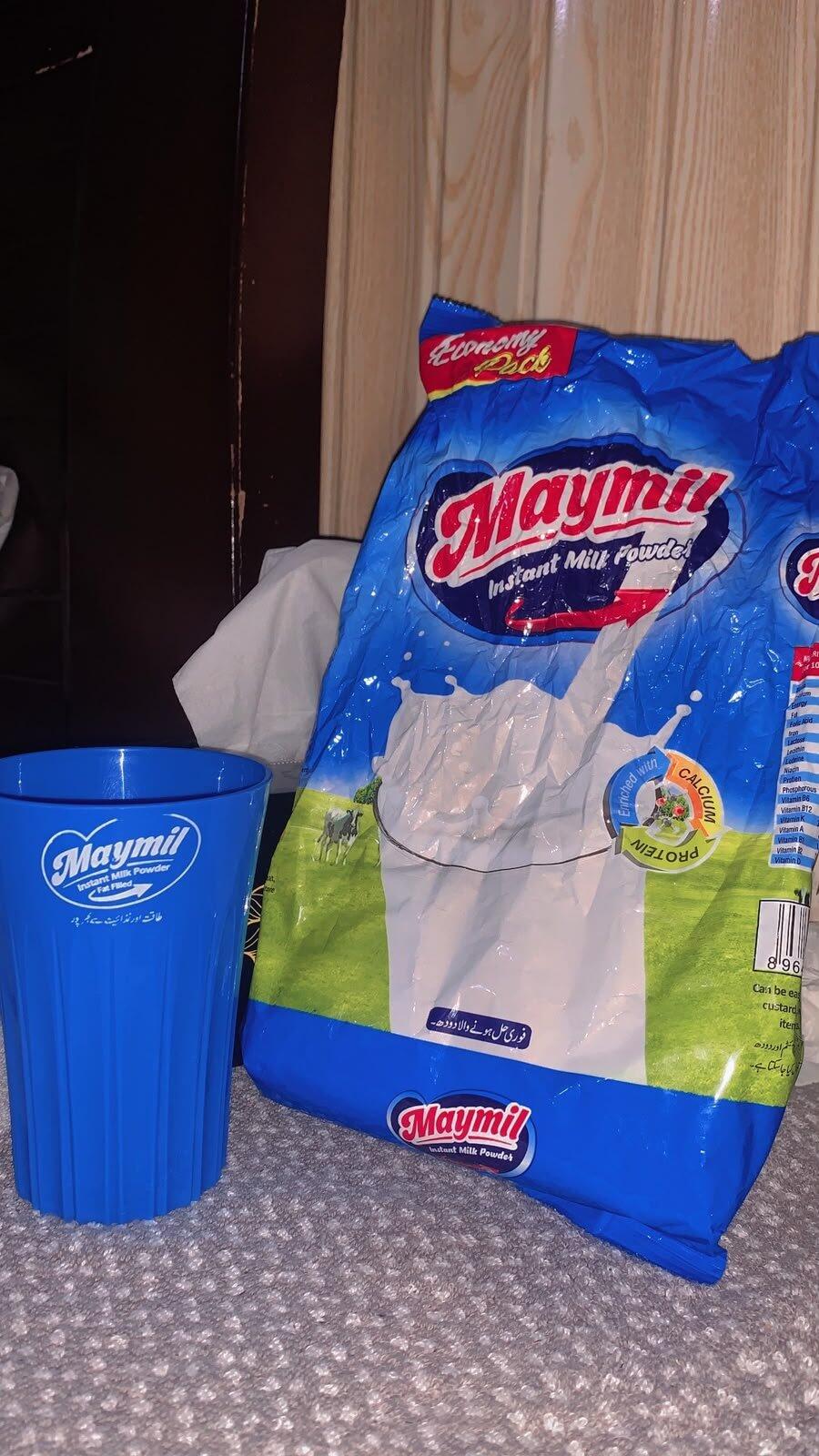
If you're ready to make every cup feel a little more special, try Maymill Tea Whitener. It's made for people who enjoy rich, creamy tea without the guesswork. Brew your next cup with Maymill and taste why so many families make it part of their daily tea routine.
FAQs
Is tea whitener healthier than fresh milk?
Tea whitener and fresh milk have different nutritional profiles, so neither is automatically healthier. Fresh milk is generally less processed, while tea whitener is formulated to give tea a richer texture and more consistent taste. The better choice depends on your dietary needs and personal preference.
Can tea whitener be used without boiling it?
Yes. Tea whitener is designed to dissolve in hot tea, so you can stir it into your cup after brewing. There's no need to boil it separately, as long as the tea is hot enough for the powder to mix completely.
Why does tea whitener make tea look darker?
Tea whitener reacts with the natural pigments in brewed tea, creating a deeper, richer color. This is normal and is one of the reasons many cafés and restaurants use tea whitener to achieve a consistent appearance.
Is tea whitener suitable for iced tea?
Yes, but it dissolves best in hot liquid. Mix the tea whitener into hot tea first, then allow it to cool before adding ice. This helps prevent clumps and gives a smoother texture.