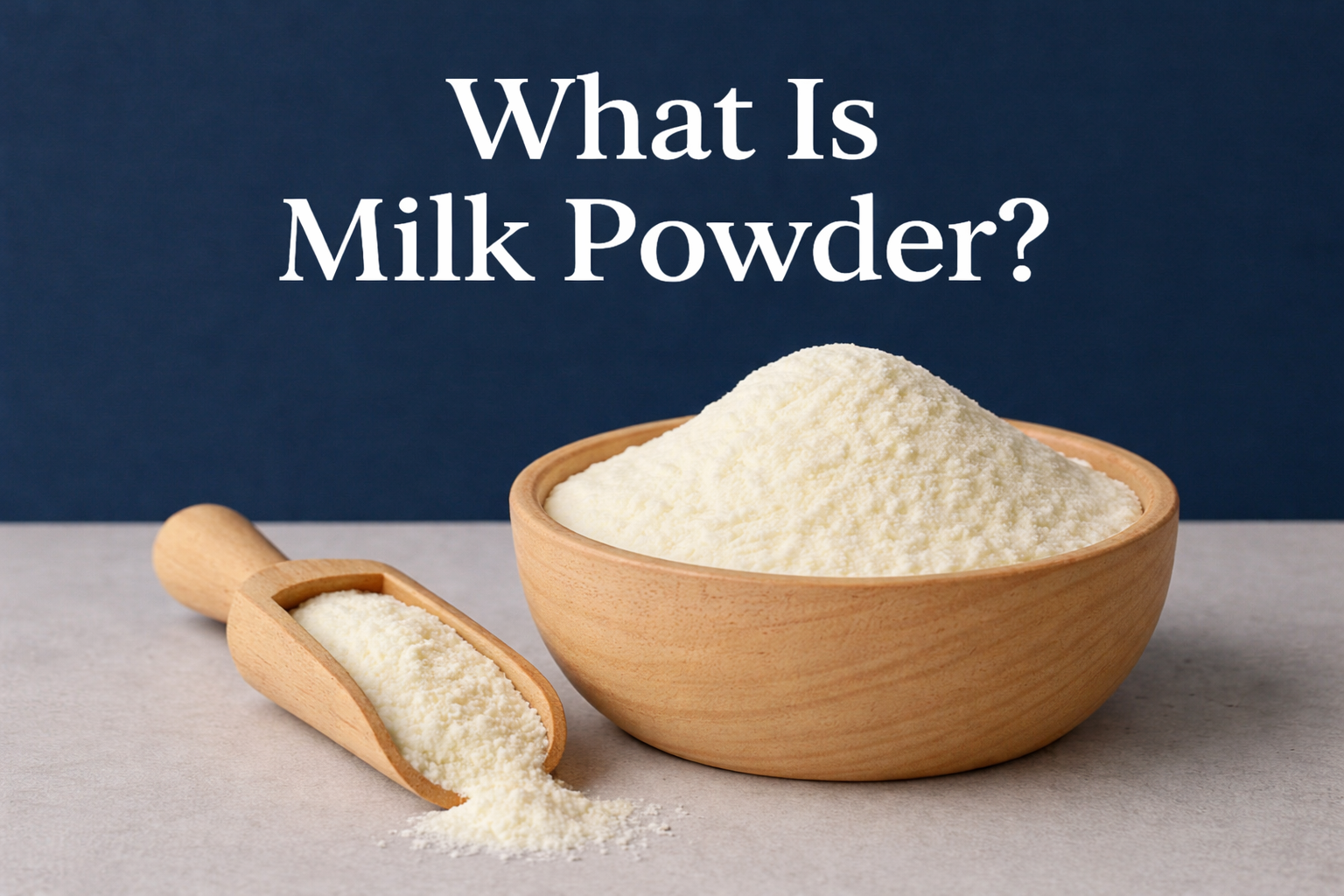
Milk powder (also known as powdered milk) is dried dairy milk that keeps the nutrients of fresh milk in a long-lasting and easy-to-use form. It starts as liquid milk and becomes a fine powder through controlled heating and drying.
What Is Milk Powder?
Milk powder is real cow’s milk with water removed through evaporation and spray drying. The process keeps proteins, calcium, vitamins and minerals intact.
Powdered milk is popular because it stays fresh for months, dissolves quickly and delivers consistent taste in tea, coffee and cooking. It is used in homes, bakeries, restaurants, and nutrition-based products because it offers the richness of milk in a stable form.
How Is Powdered Milk Made?
Powdered milk is made by removing water from fresh dairy milk while keeping the natural nutrients safe.
Milk Collection and Testing
Fresh milk arrives at the plant and goes through quality checks for purity and taste. Only clean and stable milk moves forward, because milk powder depends on high quality raw milk.
Pasteurisation
The milk is heated for a short time to make it safe. This step protects the flavour and controls microbial growth.
Evaporation
A large part of the water is removed through gentle heating. The milk becomes thicker, and nutrients such as protein and minerals become more concentrated.
Spray Drying
The thick milk enters a tall drying tower. It is sprayed into fine droplets while warm air circulates around them. The water evaporates instantly, and dry powder particles form. This step creates a smooth, light powder that dissolves easily.
Cooling and Packaging
The powder is cooled, filtered, and sealed in moisture proof packaging. Proper sealing prevents humidity from entering, which protects the texture and flavour for a long time.
What Nutrients Are Present in Milk Powder?
Milk powder contains the natural nutrients found in fresh dairy milk, only in a concentrated form since the water has been removed. This makes it a steady source of proteins, vitamins and minerals used in everyday meals.
How Much Protein in Milk Powder?
Most regular milk powders provide about 24 to 27 grams of protein per 100 grams, depending on whether the powder is whole, low fat or skimmed. Since the water is removed, the protein becomes more dense, which makes milk powder a helpful option for boosting daily protein intake.
Vitamins and Minerals in Milk Powder
Milk powder naturally carries a wide range of nutrients, such as:
-
Calcium
-
Potassium
-
Phosphorus
-
Magnesium
-
Vitamin A
-
Vitamin B2
-
Vitamin B12
These nutrients play roles in bone strength, muscle support, metabolism and energy. The spray drying method protects these nutrients by using controlled heat, so the powder remains close to the original nutritional value of milk.
Why Is Milk Powder Good for Health?
Milk powder supports daily nutrition because it carries protein, minerals and vitamins in a consistent form. Since the drying process removes only water, the core nutrients remain present.
It is helpful for people who want stable nutrition without refrigeration. Its consistent taste makes it suitable for cooking, baking and beverages. Fresh milk sometimes varies in taste depending on the season, while milk powder stays steady because the solids are controlled during production.
People with lactose intolerance should check product labels, as regular milk powder contains natural lactose.
How Can Milk Powder Be Used?
Milk powder can be used in drinks, cooking and baking because it dissolves easily and blends well with other ingredients.
Drinks
Mixing powder with warm water creates smooth liquid milk. You can adjust the thickness based on preference. Many people add a spoon of milk powder to tea or coffee for extra creaminess.
Cooking
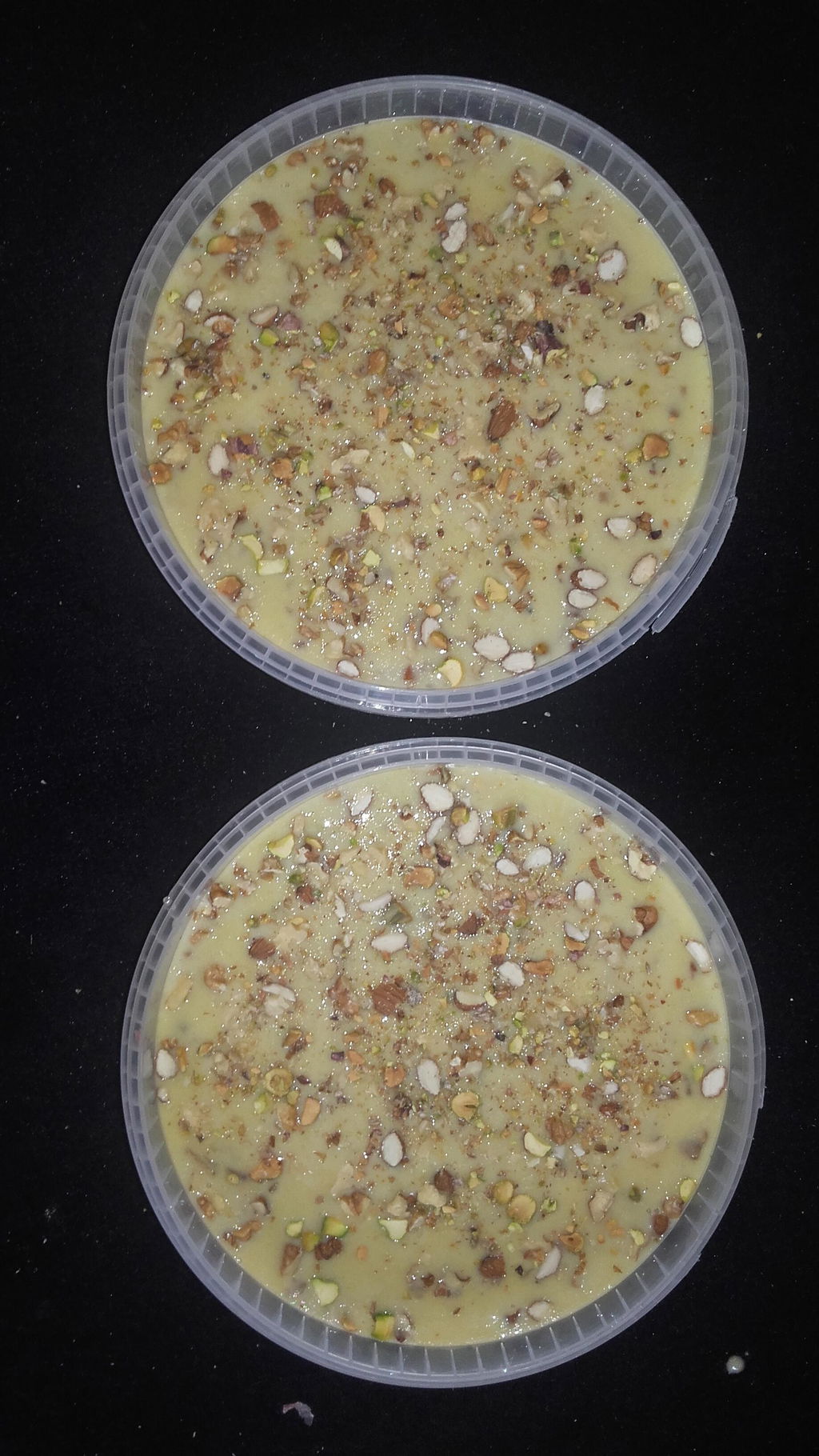
Milk powder helps create thicker and richer sauces, gravies and desserts. It is common in dishes like halwa, barfi, kheer and custards. It strengthens texture and adds a steady milk flavour.
Baking
Milk powder improves browning and softness in bread, cakes and biscuits. It adds milk solids without affecting the water level in dough.
Nutrition Boost
A tablespoon of milk powder in oats, smoothies or shakes increases protein intake without changing taste too much. Since the powder is concentrated, even a small amount adds nutritional value.
Travel and Storage
Milk powder is helpful during travel or in areas with limited refrigeration. It stays fresh as long as moisture is kept away.
Does Milk Powder Last Longer Than Fresh Milk?
Milk powder lasts longer because bacteria cannot grow in low moisture conditions. Removing water blocks spoilage and stabilises milk solids. Packaging plays a key role. Once sealed, the powder stays dry and safe inside.
After opening, it should be stored in an airtight container. Humidity can cause clumping or spoilage, so keeping it dry helps maintain quality.
Why Milk Powder Is a Go-To Choice for Many People
Milk powder is a go-to choice for many people because it fits easily into daily routines. It stays fresh for a long time, mixes quickly and is simple to use whenever needed. You can prepare just the right amount without worrying about leftover milk going bad.
In homes, it works well for tea, coffee, breakfast bowls and quick recipes. It dissolves smoothly and gives the same taste every time, which makes it very dependable.
Many bakeries, tea shops and restaurants also prefer milk powder. It keeps their drinks and dishes consistent, stores well in warm kitchens and reduces the stress of frequent milk deliveries.
Conclusion
Milk powder gives you real dairy nutrition in a form that is easy to keep at home and use whenever you want. Once you understand what is milk powder and how it is made, choosing the right one becomes simple.
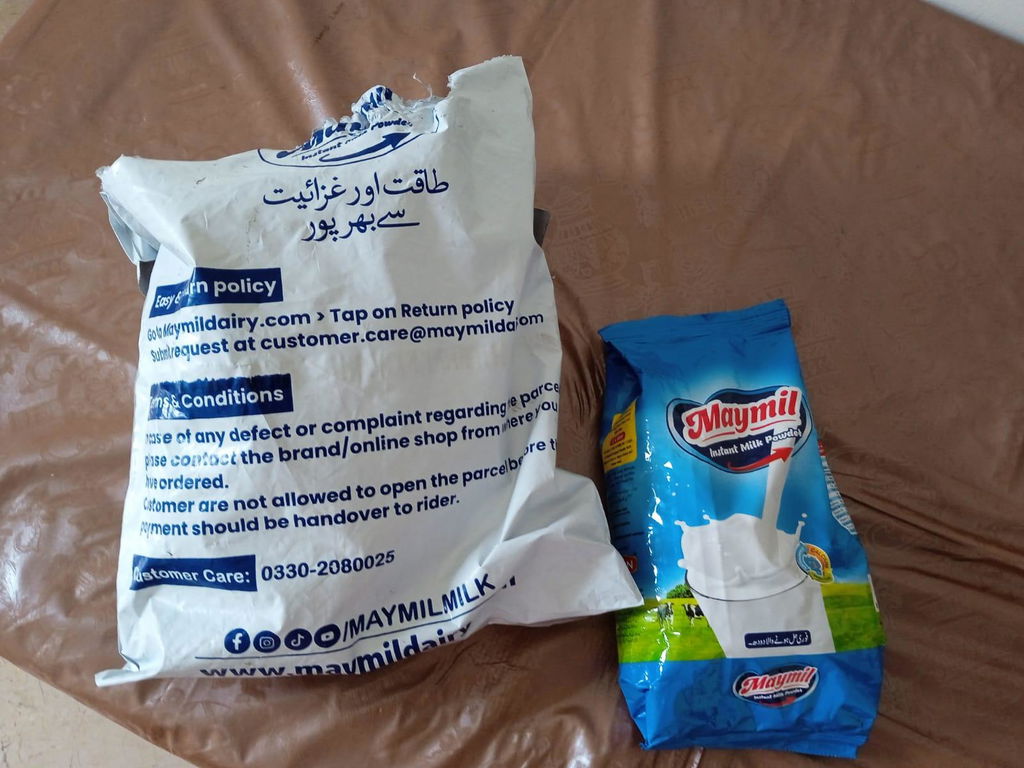
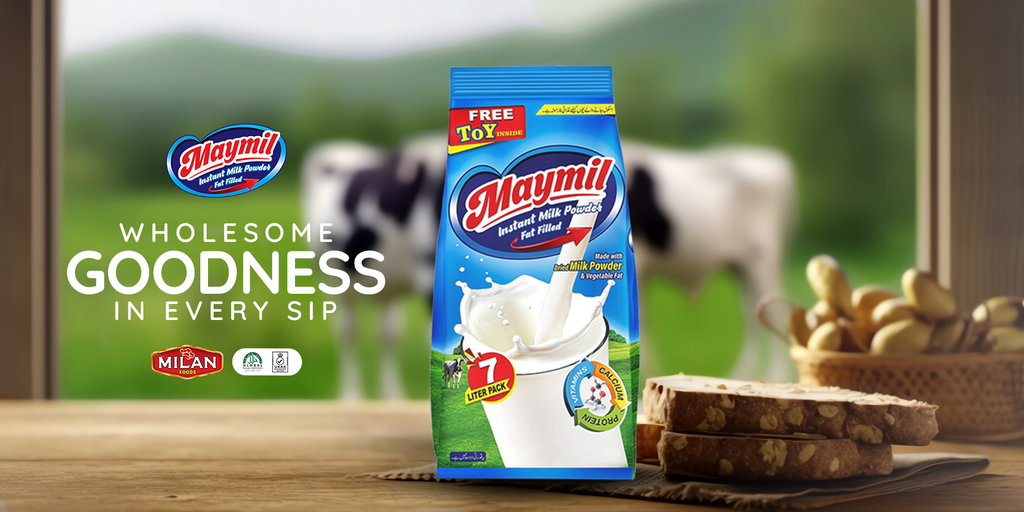
Maymil Dairy offers clean taste, smooth mixing and steady quality for tea, coffee and cooking. It fits well into everyday meals and brings a pleasant, natural flavour.
Try Maymil Dairy milk powder and see how nicely it blends into the way you prepare your drinks and food.
FAQs
1. Can milk powder replace fresh milk in all recipes?
Yes, milk powder can replace fresh milk when mixed with warm water. It works well in tea, coffee, baking and cooking because the reconstituted milk behaves almost the same as regular milk.
2. How should milk powder be stored after opening?
Milk powder should be kept in an airtight container in a cool and dry place. This protects it from humidity and keeps the texture smooth.
3. Is powdered milk dairy?
Yes, powdered milk is a dairy product because it is made from real cow’s milk. The process removes only water, while the proteins, fats, sugars and minerals stay the same as in fresh milk.
4. Does powdered milk have chemicals in it?
Pure powdered milk does not contain added chemicals. It is made by removing water from fresh milk, and good brands keep it free from preservatives and fillers. Always check the label to confirm that it contains only milk solids.